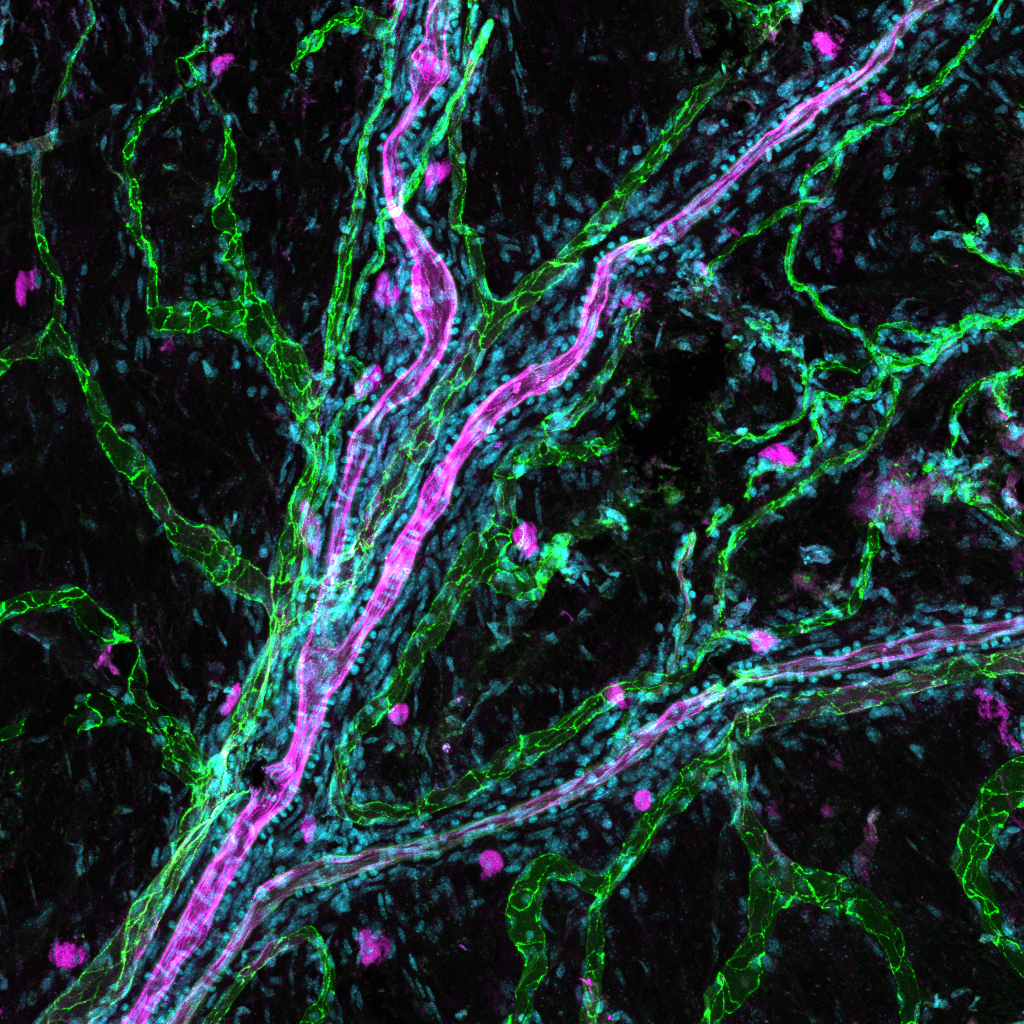
Fonken Lab
The University of Texas at Austin • College of Pharmacy
How do microglia, the brain’s resident immune cell, shape behavior across the lifespan?

Microglia, were first identified in the brain by Del Rio-Hortega over 100 years ago. These cells were initially thought to have a passive role in the healthy brain and only become active during central nervous system injury. We now know that glial cells have a diverse array of functional roles in maintaining brain homeostasis and in responding to CNS pathology.
Our research focuses on understanding how endogenous (e.g. circadian rhythms and aging) and exogenous (e.g. environmental pollutants, infection, and injury) factors can lead to a primed neuroinflammatory environment resulting in changes in learning and memory and affective behaviors.
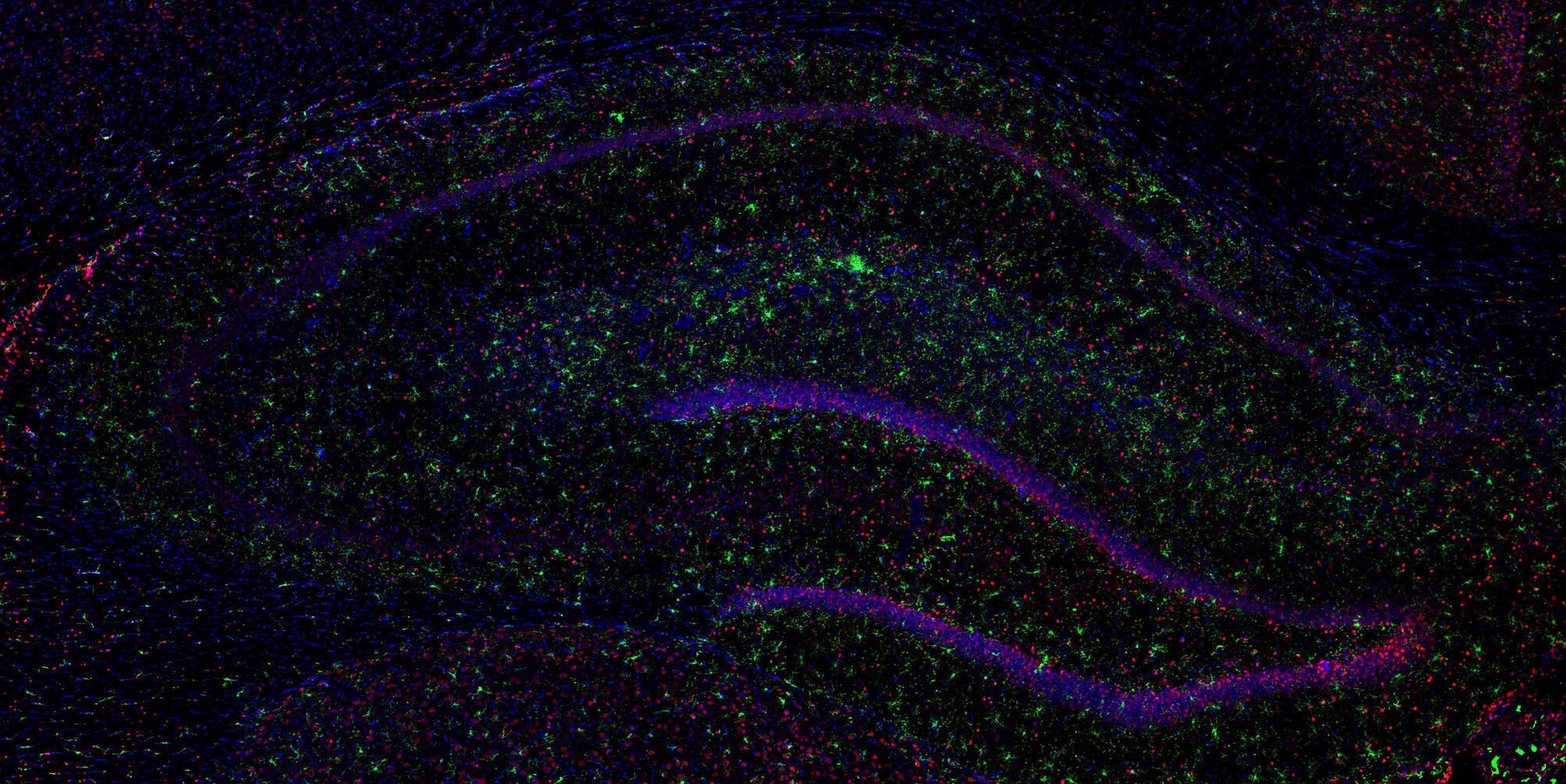
Our current research projects:
-
Over an animals’s lifespan, microglia become more reactive or “primed”, worsening outcomes when an immune challenge is encountered (e.g. infection, surgery, or injury).
In modern society, sterile conditions may actually worsen inflammation. The immune system co-evolved with microorganisms, and underexposure to these organisms can harm immune function. Controlled reintroduction of microorganisms could improve the composition of the microbiome and lessen hyperactive inflammatory responses.
The Fonken lab is investigating mechanisms by which a vaccination of the soil bacterium, Mycobacterium vaccae, prevents exacerbated neuroinflammatory and behavioral deficits in aging.
This work is supported by NIH R01 AG062716
-
The circadian clock is a critical regulator of biological processes, generating cycles of hormone release, sleep-wake behaviors, and timing of cell division and repair. Microglia also express circadian timekeeping mechanisms, leading to daily cycles of high and low immune reactivity. With aging and Alzheimer’s Disease (AD), these rhythms dampen, possibility contributing to heightened neuroinflammation and pathology.
The Fonken lab is investigating how circadian rhythms in immune cell trafficking may become disrupted with age and AD-like pathology.
This work is supported by start NIH R01 AG078758
-
Alcohol use in aging populations is increasing. Excessive alcohol intake in aged individuals likely dysregulates immune dynamics in brain. The neuroimmune system critically regulates cognitive and behavioral changes with aging – pathological inflammatory reactivity occurs with neurodegenerative disorders and elicits cognitive decline. Along with Dr. Kimberly Nixon’s lab, we are investigating the mechanisms through which heavy, alcohol exposure increases vulnerability to age-associated neuropathology with a specific focus on phagocytic impairments in microglia.
This work is supported by R01AA032191.
Our team

Laura K. Fonken
Principal Investigator

Brandy Routh
Postdoctoral Researcher

Drew Hynes
Graduate Student
Pharm/Tox Program

Kate Callahan
Graduate Student
Neuroscience Program

Julia Goewey-Ruiz
Lab Manager

Kalina Soto Dusenbery Graduate Student Neuroscience Program

Akanksha Acharya
Undergraduate Research Assistant
Neuroscience
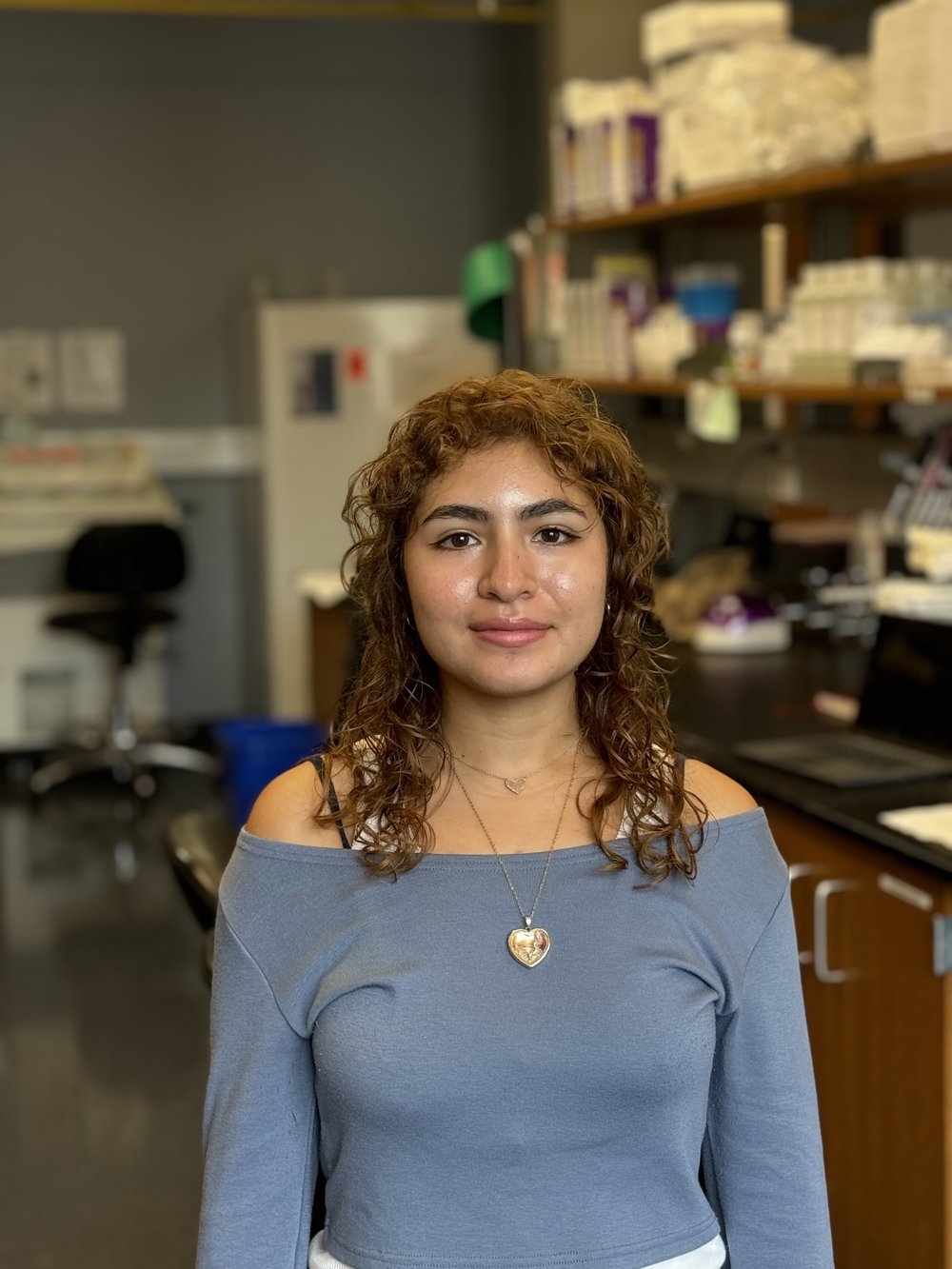
Sophia Martinez
Undergraduate Research Assistant
Chemistry
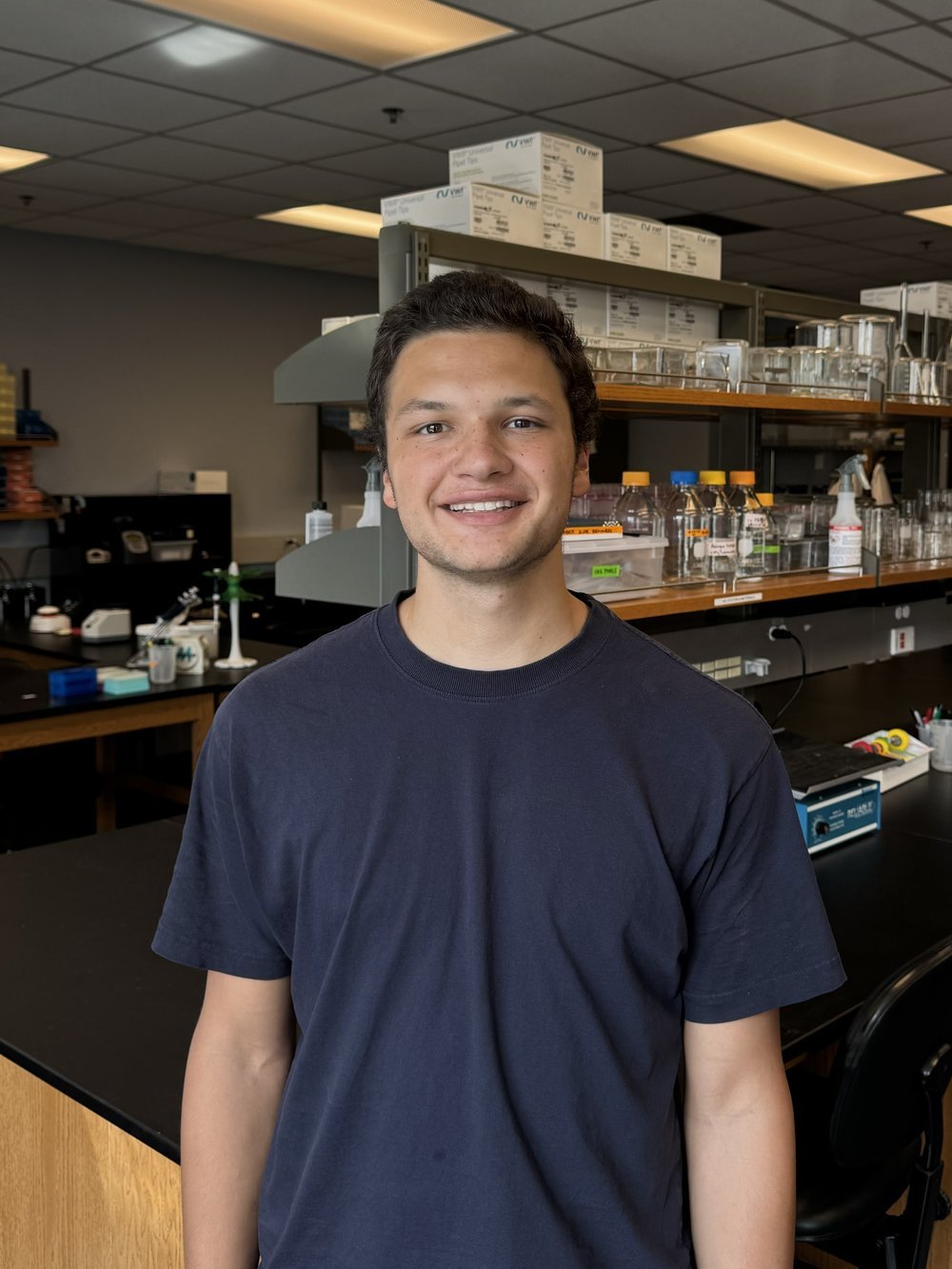
John Chaney
Undergraduate Research Assistant
Neuroscience

Alekhya Vattikuti
Undergraduate Research Assistant
Biology
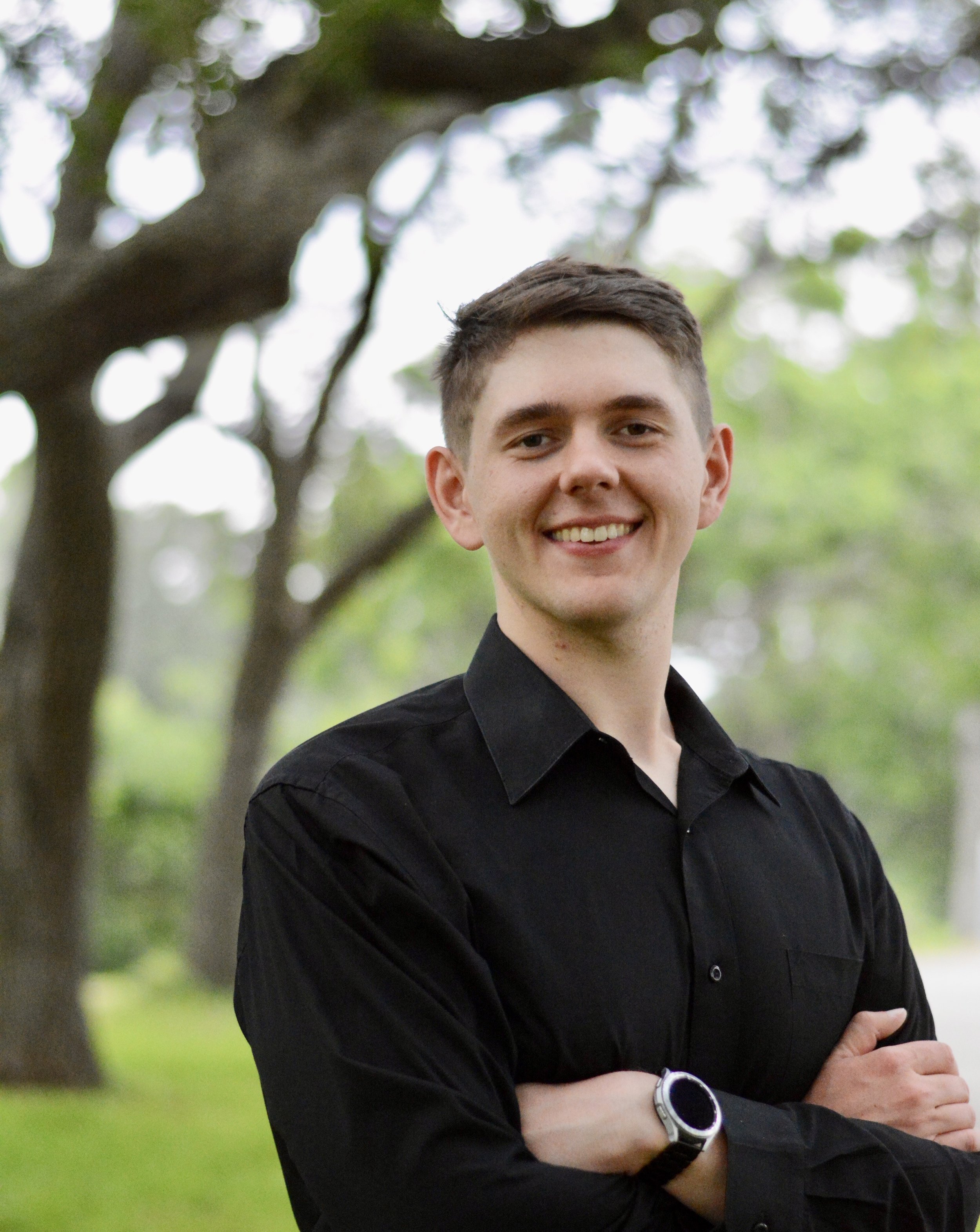
Benjamin Broadway
Undergraduate Research Assistant
Neuroscience
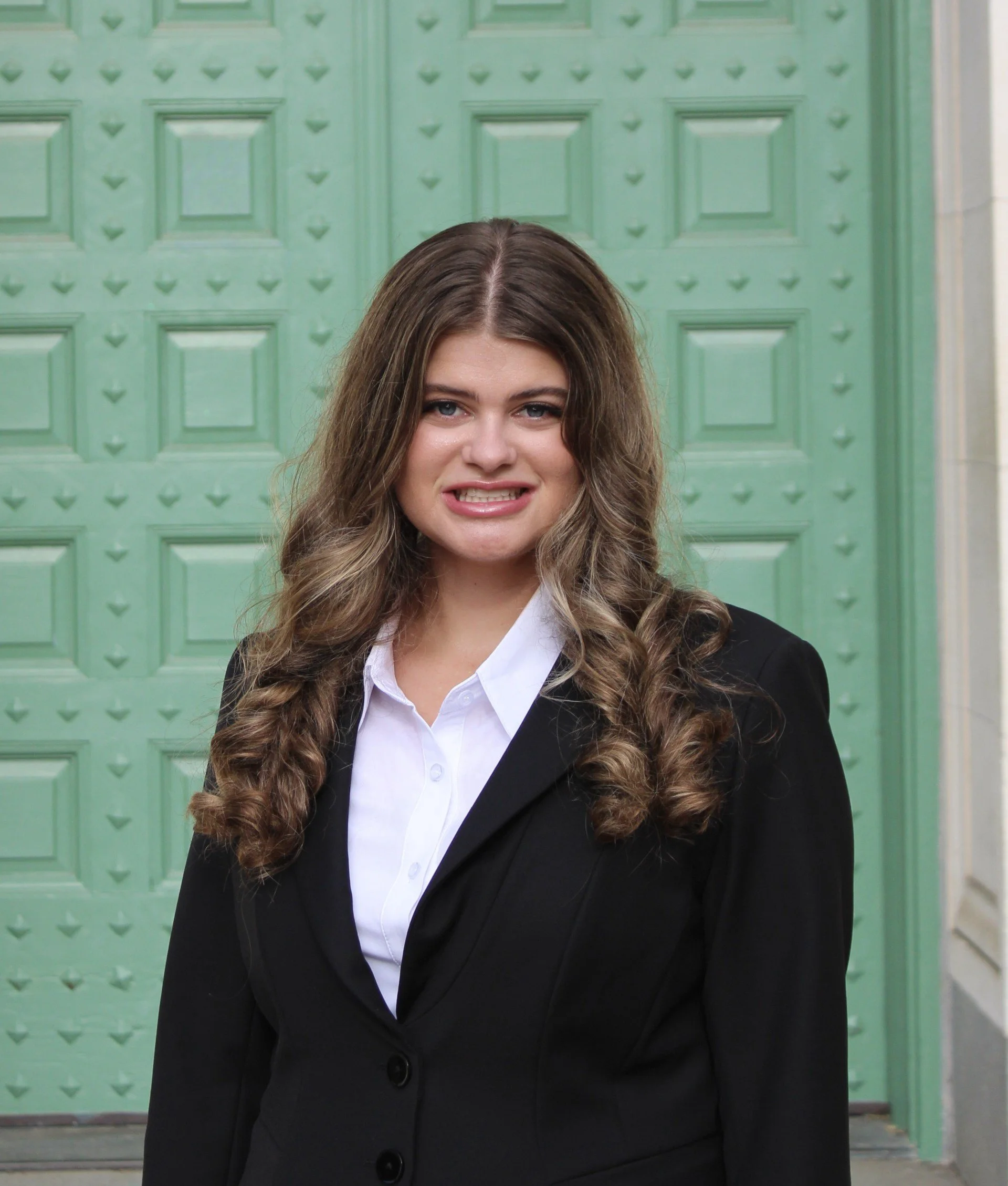
Elizabeth Hampton Undergraduate Research Assistant

Past Members
Want to delve deeper?
Here are a few recent publications from our group:
Routh et al., 2026. Circadian rhythms in microglia mediate early life synaptic development in a sex-specific manner. Cell Reports. (Link)
Ince et al., 2026. Time-restricted feeding rescues sociability deficits and reduces neuroinflammation in aged mice. Neurobiology of Aging.(Link)
Davis et al., 2026. Sex differences in microglia morphology and function across the lifespan are mediated by the early hormone environment. Brain, Behavior, and Immunity. (Link)
Bell et al., 2026. Time-restricted feeding in adult mice improves mood-related behaviors in a sex-dependent manner. Behavioral Brain Research. (Link)
Chen et al., 2023. Microglia depletion ameliorates neuroinflammation, anxiety-like behavior, and cognitive deficits in sex-specific manner in Rev-erbα knockout mice. Brain, Behavior, and Immunity. (Link)
Ince et al., 2023. Sex differences in microglia function in aged rats underlie vulnerability to cognitive decline. Brain, Behavior, and Immunity. (Link)

Congratulations to Brandy Routh for winning the National 2024 Empower Your Pitch competition!

The Fonken Lab took a trip to Panama for the annual 2024 IBNS Conference, where Kiersten (bottom left) and Lexi (bottom right) presented their latest research!

Dr. Louise Ince and our undergraduate researcher Leanna Doan both won 1st place posters at 2024 Pharmacy Day! Congrats you two, keep up the good work!

The Fonken lab at the Society of Neuroscience (SfN) 2022 conference in San Diego, CA.

Fonken lab pumpkin carving (October 2022).

Lab picnic at Zilker Park (May 2021)

Team time on the microscope (2019)

Congratulations to Kate Davis for receiving the highly competitive 2025 CCST Science & Technology Policy Fellowship!

Congratulations to Kiersten Bell for receiving a prestigious NRSA F31 predoctoral fellowship from the NIH! Go Kiersten!!
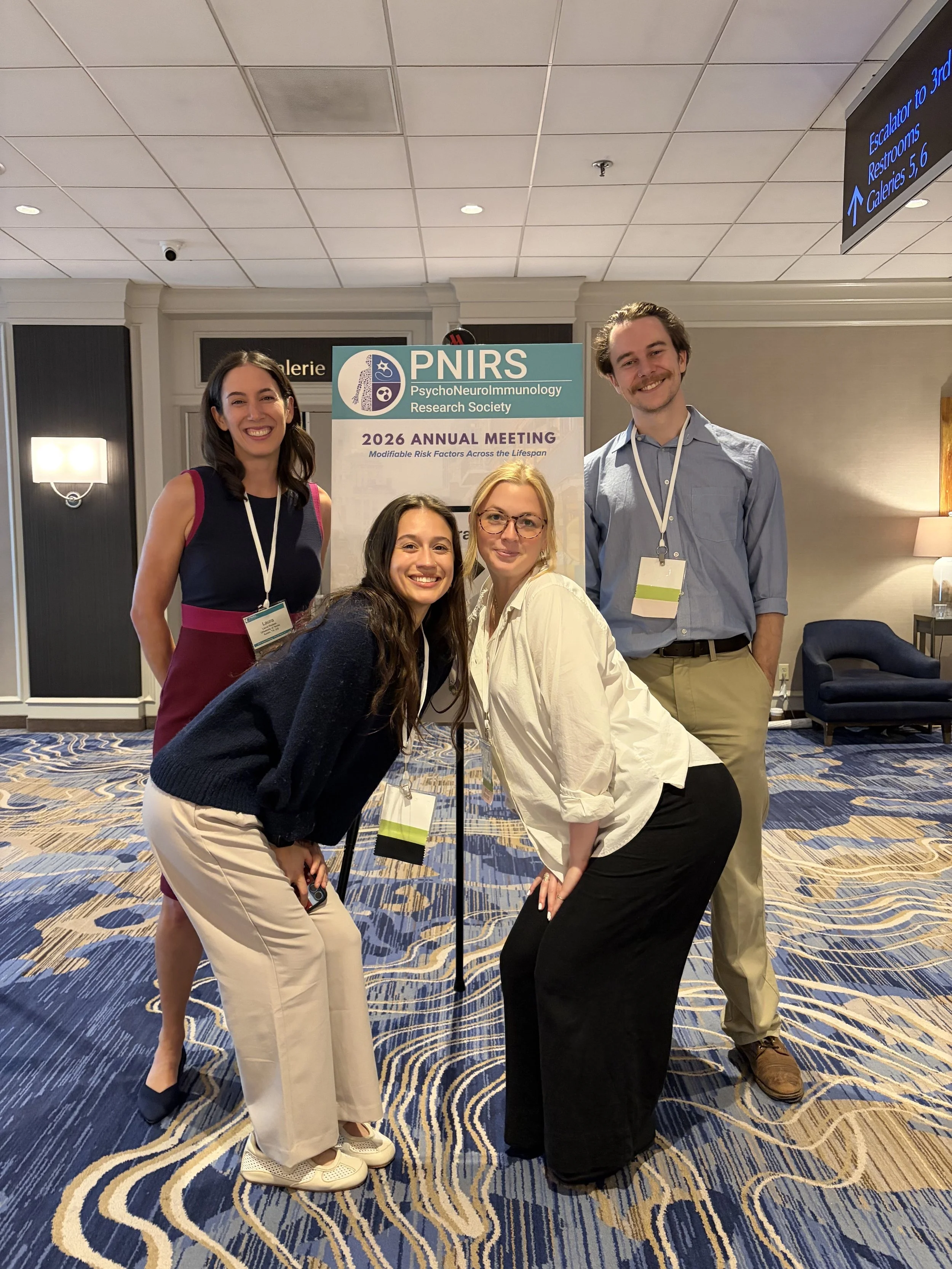
PNIRS 2026 in New Orleans!